PARTNER UNIVERSITIES
Universidad Autónoma de Madrid / National and Kapodistrian University of Athens / University of Bucharest / Paris Lodron University of Salzburg / Eduardo Mondlane University.
RESEARCH TEAM
David Poveda (UAM) – Coordinator / Marta Morgade (UAM) / Philia Issari (NKUA) / Simona Iftimescu (BU) / Simona-Maria Cotorbai (BU) / Sabine Hennig (PLUS) / Ulrich Öttl (PLUS) / Quitéria Mabasso (EMU) / Alfredo Júlio Maposse (EMU) / Domingos Manuel do Rosário (EMU) / Giverage Amaral (WU) / Félix Muxlanga (PUM) / Henar Rodriguez (UCM).
This new CIVIS Open Lab is a collaboration between CIVIS partners and has an initial base at the Universidad Autónoma de Madrid. The OL builds on the expertise of the research groups involved in the OL and centers on participatory and collaborative research with children and youth focused on critically examining the current socialization and educational experiences of young people across a variety of formal and informal contexts. Socio-educational proposals stemming from the OL aim to contribute to sustainable development goals through work with young people. The disciplinary and thematic outreach of the OL is broad and is/will be capable of collaborating with informal groups of children and youth, schools, non-formal educational organizations, families and communities. The transversal feature of this work is the use of participatory/collaborative, qualitative, multimodal and arts-based methodologies with young people. It also draws on expertise in the use of interactive, digital and geomedia research devices with young people.
The OL is particularly interested in the experiences and mobilities of children and youth in urban contexts and in addressing the needs of diverse childhoods, young people at social risk and adopting a critical and intersectional perspective (that problematizes the role of gender, social class and cultural-geographical background, as well as other forms of diversity) to research and social intervention.
DESCRIPTION OF THE PROJECT «YOUNG PEOPLE’S PARTICIPATION IN URBAN SPACES» (2025-2026)
The first project of the OL focuses on an analysis of young people’s participation in public urban spaces. Participation is framed as a social right within the UN Convention on the Rights of the Child (1989). Promoting young people’s place in and engagement with urban life, making cities more «child-friendly», is understood as a deeply socially inclusive and sustainable effort within urban policies and planning. Building on this framing, the project proposes collaborative work with children and youth with two general goals:
(1) To document and identify alongside children and youth their everyday dynamics of inclusion and exclusion from urban public spaces (Cresswell,1996) in local community settings,
(2) To create and implement with children and youth performative intervention devices (Sanchez-Criado and Estalella, 2023) that raise social awareness of exclusionary dynamics in contemporary urban contexts.
The project adopts a comparative case study approach (Bartlett and Vavrus, 2017) and will develop three local studies and interventions with children and youth. Each case addresses the two general research questions but is situated within a local reality and operationalizes these general goals in ways adapted to the specific realities, research focus and expertise of each study site. In addition, each project will build on the methodological expertise and resources of local teams and facilities. Nevertheless, a core feature of the OL consortium is to promote shared training and methodological exchange between university teams and members of the OL team.
The project involves three interrelated actions: (a) A collaborative local case study; (b) The implementation of a performative device in each local context and final celebratory exhibit, including creating and curating a digital platform that allows sharing experiences across sites; (c) A work-plan to exchange interactive methodological tools, collaborative research supervision and training through mobilities and digital resources.
Case Studies
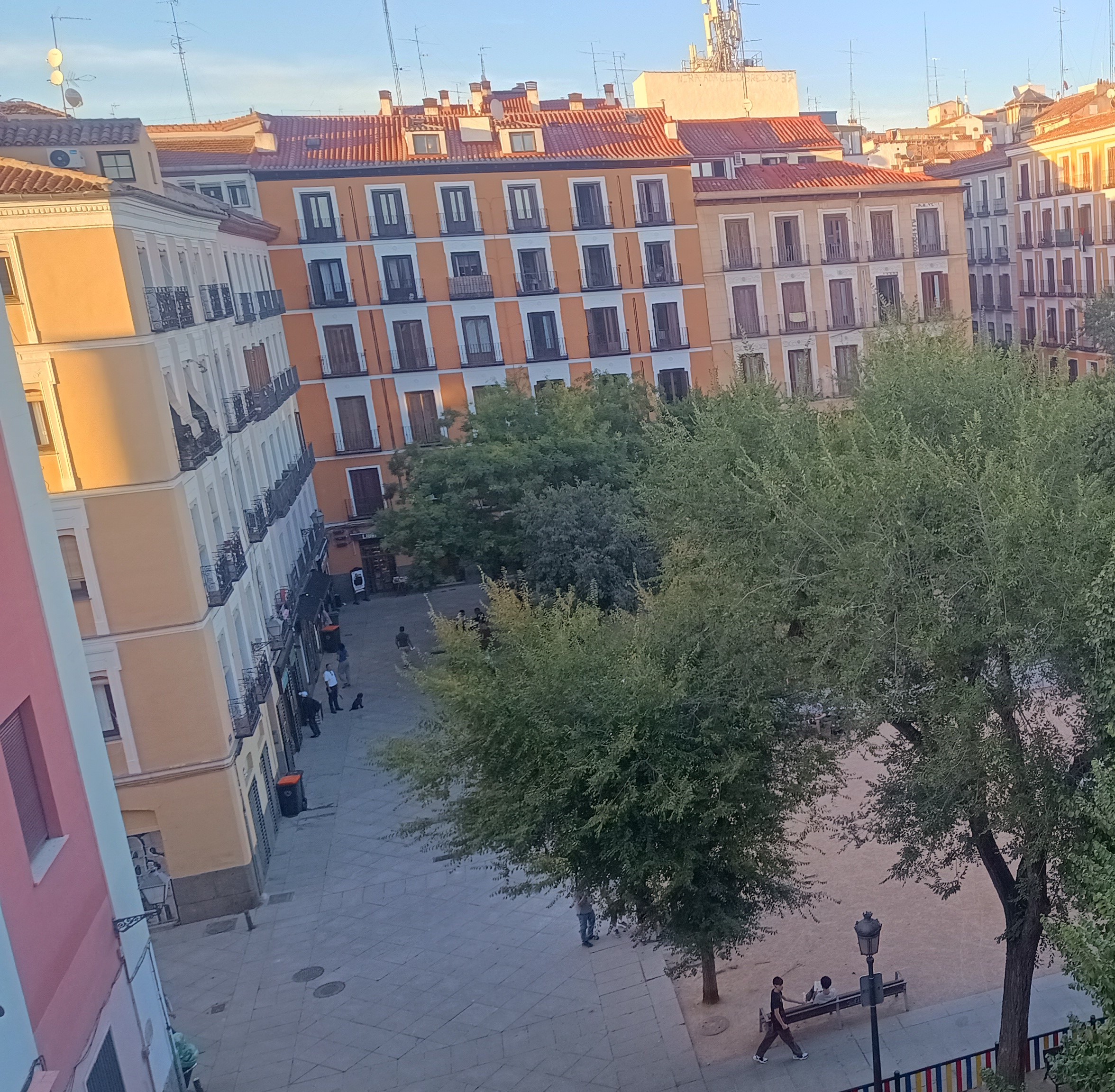
(1) Young people at social risk in Madrid neighborhoods: This case study involves working with NGOs that provide after-school and community support to children and adolescents at social risk. Members of the UAM research team have an established relationship with key organizations and will implement a collaborative work plan with young people centered on their mobilities and leisure activities within neighborhood settings; particularly in areas of the city of Madrid heavily affected by gentrification and touristification processes that tend to exclude lower-income residents and young people with limited consumer resources. The specific research devices to document these processes will be negotiated and co-designed with children and youth but may include personal cartographic projects (Benzi, 2020), photovoice interviews and walks (Volpe, 2019) and the construction of soundscapes of neighborhood experiences (Samuels et al; 2010).
(2) Young people’s places and spaces in Salzburg: This case study draws on the resources and expertise of PLUS including iDEAS:Lab (the interactive laboratory for inquiry-based learning at all levels, geoinformatics experiments and engagement with the general public). It will explore adolescent’s leisure and informal socialization places – which adults are generally not aware of. The objective is to identify spaces of youth participation and exclusion in the city. Members of the PLUS team will draw on an established relationship with a network of secondary schools and other informal learning settings. They will use geo-participatory tools such as map-based surveys or collaborative maps (IFAD 2009; Pánek 2016) to have young people map and characterize their favorite places in Salzburg. Besides approaches such as geocommunication and crowdmapping, the team will use different digital cartographic and geovisualization tools to represent these patterns and create opportunities for critical discussion with adolescents. The use of geodata and geomedia brings a variety of advantages as widely discussed in the literature (e.g. place/ space as interface, geomedia excitement factor, interactivity and flexibility; Hennig, Vogler 2016; Vogler et al; 2018). Read about updates of the project here: Salzburg StoryMap
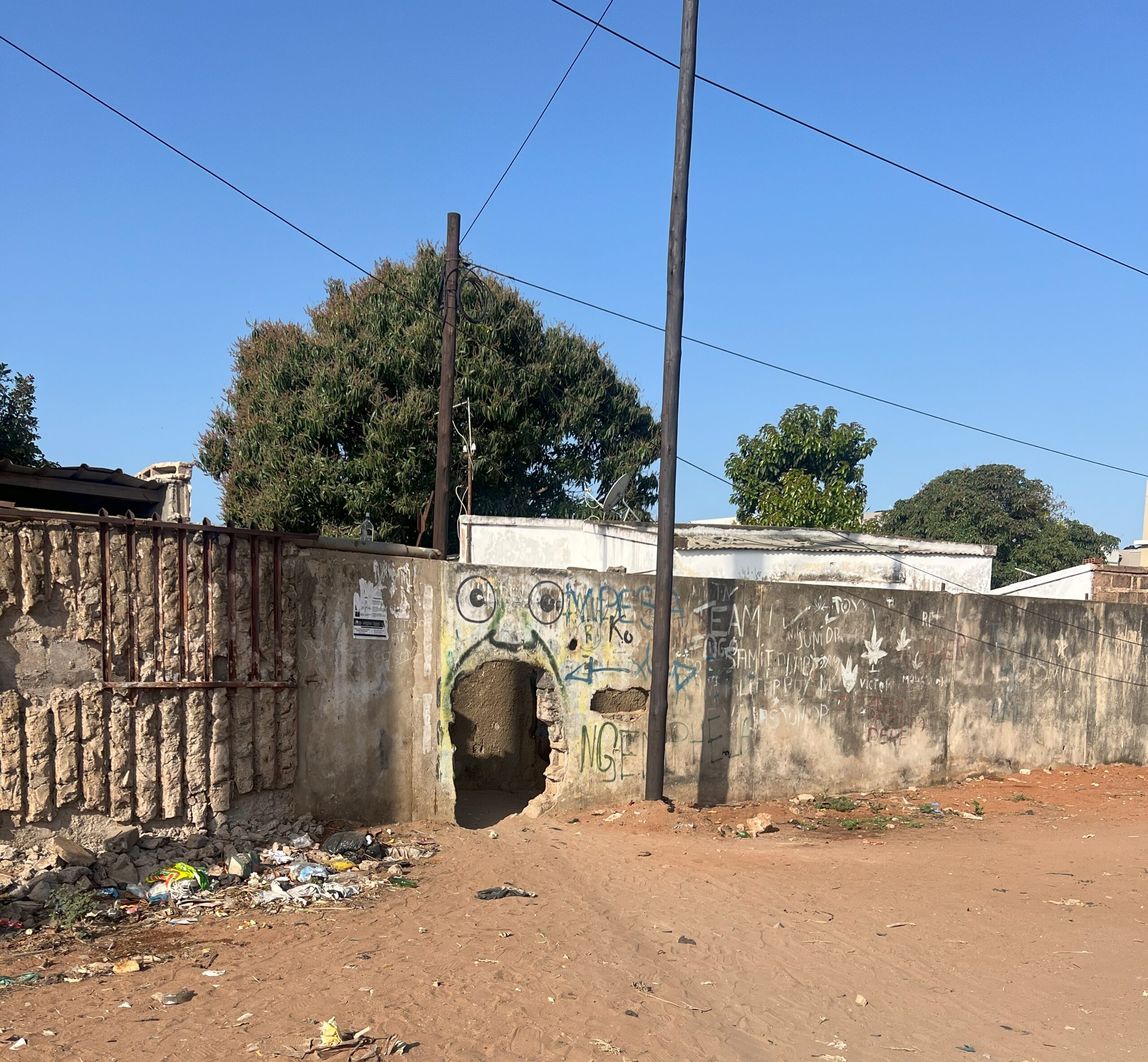
(3) Maputo youth in a public university campus: This case study will delve into the unexamined complexities of the Eduardo Mondlane University campus as a boundary space between districts with very different socio-economic realities in the city of Maputo. EMU campus is a transition area for different types of youth and is utilized in various ways by young people who are not EMU students. Through interviews including geographical mapping and other collaborative tools we will examine how adolescent’s from poorer districts make use of the campus and the tensions and the contradictions these uses generate in the local community. The project will co-design with participating youth an expressive/artistic intervention in the campus aimed at making visible these practices and appropriations and to start a discussion between the different social groups that in practice inhabit the EMU campus. This research will use quantitative and qualitative methods, in order to incorporate quantifiable data and capture subjective elements, such as beliefs and perceptions of local youth. The qualitative method will be predominant, particularly documentary and literature review, direct observation, in-depth interviews and focus groups.